Find me on Facebook Stay Informed
Home Page About Henry Volunteer Henry on the Issues Contact Us Make Your Donation
Do you live in the 14th Disrict? Click Here to find out.


I have met many residents from Legislative District 14 during this campaign for a seat in the Maryland House of Delegates. I am writing today to relay several thoughts on what I have learned from them.

First, people are concerned about the creation of jobs in our immediate area. The conversation with an area resident that stands out for me the most is one I had with an individual that had lost her job. She explained that there are jobs available in her field, but all of them are in northern Virginia. She also explained that, with four children in elementary school, she needs to work locally. The demands of a family with young children are too great for working in Virginia to be an option, especially given beltway traffic and the time it would take to commute.

The issue of creating jobs locally was addressed with great passion by the audience at a candidate debate on October 26 in Damascus. As a professional Ph.D. economist, issues of job creation are central to my campaign.

Second, there is a serious crime problem in parts of District 14. Many discussed gang activity with me, and the extent of violent crime and drug activity in the vicinity of Briggs Chaney and Castle Boulevard is shocking and unacceptable. Our state and local governments have not done enough to protect our citizens in this area.

Third, many people have tight budgets now due to reduced hours at work, fixed incomes for retirees, etc. These people are concerned that further tax increases will squeeze them at a time when they cannot afford to be squeezed. I expect many tax increase proposals to be considered during the next session of the General Assembly. I have pledged to work to avoid increasing the tax burden on our families. Indeed, the combined state and local tax burden in Maryland is the fourth highest in the country, behind New Jersey, New York, and Connecticut. We have plenty of tax revenue to run our state, if we run it wisely.

Fourth, people have limited faith in their elected leaders. Many feel that elected officials take their votes for granted. Visits from members of the General Assembly to the Damascus region and areas in the southern end of our district are few and far between. I have pledged to establish a schedule of regular meetings with residents across the district. These meetings will be targeted at individual precincts or groups of two or three neighboring precincts to keep the focus of the discussion on local issues important to the residents of the area. There is no reason why members of the General Assembly and other officials cannot visit each area in our District on a regular basis.

Fifth, people are concerned about our state's finances. We have underfunded pension and post-employment benefit plans. In, say, 2020, we'll have to fund the then-current education system as well as our 2010 education system (perhaps along with those of other years) because we have not fully funded our state employee and teacher pension costs for those years. This is no way to "support" education. We should not promise pensions that we are unwilling or unable to fund. If we used a 401(k)-style system for state and teacher pensions, we could not hide our failure to fund retirement benefits. We either have to make contributions to these plans or acknowledge that we are unable to do so. Making unaffordable promises is not fair to our employees or our current and future taxpayers.

Sixth, people are concerned about our education system. I heard from many teachers that our school system does not give them the flexibility they need to be as effective as possible. I have also heard about wasted instructional time. Finally, I heard from many that our school system is top-heavy. Note that my campaign materials do not say "support education" on them; instead, they say "support classrooms". There is an important distinction between the two. The focus of our efforts should be on maximizing the effective use of student instructional time.

Seventh, with regard to health insurance, people want flexibility and choices. Why can't people or small businesses self-insure for smaller expenses, and utilize our insurance policies that offer only catastrophic coverage? The availability of such policies would provide much-needed flexibility for small businesses. I spoke with someone yesterday who is a veteran and has VA coverage for herself. In order to get coverage for her child, however, she needs to have a family policy, which would require her to pay for coverage for herself - coverage she already has through the VA. Our system needs more flexibility and choices. Unfortunately, the recent federal healthcare bill does not allow this type of flexibility.

Finally, I have talked to many people about the electric industry and my vision for the industry of the future. Unlike telecommunications, which have undergone dramatic innovation during the past two decades, the electric industry has changed little in the past 50 years. A Maryland with solar panels on residential roofs generating electricity sold to the grid during peak periods is in reach, but we have lacked the regulatory commitment to move there. I believe that the state regulatory agencies in our area are not equipped to move effectively into the future of efficient electric generation and usage. This is an area where policy is blocking innovation, and I hope to help move us to a different regulatory environment.

We can move Maryland forward and make our government more efficient and effective. Many have found my example of state Medicaid spending to be interesting. Maryland's Medicaid program has the second lowest generic drug utilization rate of any state program in the country (61%). If we were to match the program in Massachusetts (78%), we would save $46 million annually. Surely savings like this are insufficient to solve our budget problems, yet this is an easy place start. We need to be smarter with our use of resources. I'd rather spend $46 million on schools or tax reductions, not on medications that are unnecessarily expensive. This is not a time to increase the tax burden on Marylanders. People have tight budgets, and tax increases will only make Maryland an even less attractive place to do business, which will speed up the erosion of our tax base.

If you have any questions about these or other subjects, please contact me via my website. You can vote for up to three members of the House of Delegates. Please consider using one of your three to vote for me.

Sincerely,

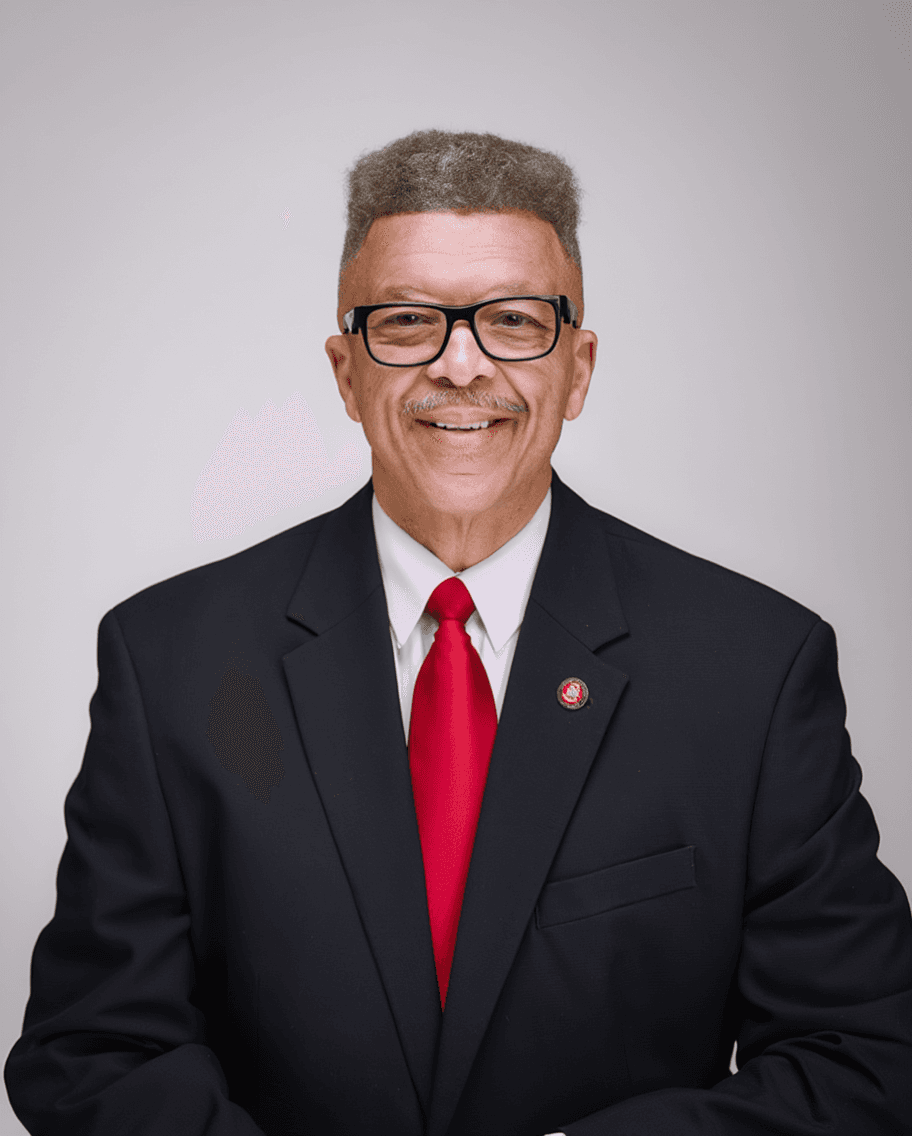
Henry J. Kahwaty, Ph.D.
Candidate for Delegate
Maryland Legislative District 14